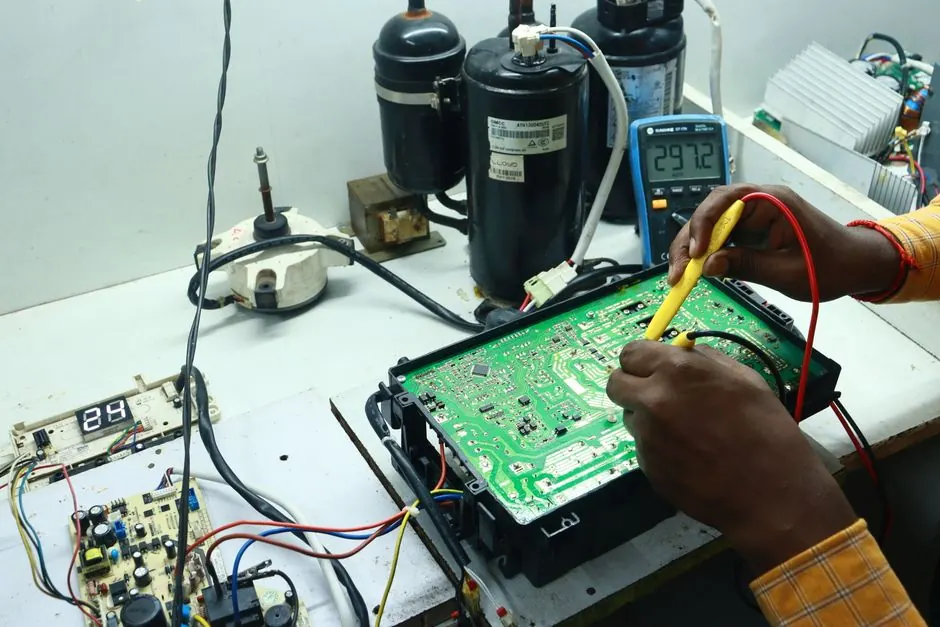
Understanding appliance repair regulations is essential for homeowners in Texas. These regulations ensure that repairs are performed safely and legally, protecting both the consumer and the technician. This article will cover the top five regulations every homeowner should know, including licensing requirements, safety standards, warranty regulations, environmental considerations, and consumer protection laws.
What are appliance repair regulations?
Appliance repair regulations are laws and guidelines that govern how repairs are conducted, ensuring safety and compliance. In Texas, these regulations are designed to protect consumers from unqualified service and unsafe practices.
1. Licensing requirements for technicians
In Texas, appliance repair technicians must be licensed to perform repairs. This ensures that they have the necessary training and knowledge to handle various appliances safely. The Texas Department of Licensing and Regulation (TDLR) oversees the licensing process. Technicians must pass an exam and complete continuing education courses to maintain their licenses.
Homeowners should always verify a technician's license before hiring them. You can check the Texas appliance repair license database online to confirm their credentials.
2. Safety standards for repairs
Safety standards are crucial in the appliance repair industry. These standards are set to prevent accidents and ensure that appliances operate safely after repairs. Technicians must adhere to the National Electrical Code (NEC) and other relevant standards when performing repairs in Texas.
For example, when conducting refrigerator repair in Texas, technicians must ensure that all electrical connections are secure and comply with safety codes. This not only protects the technician but also ensures the appliance operates correctly.
3. Warranty regulations
Warranty regulations dictate how repairs are handled under warranty. In Texas, if a technician performs a repair under warranty, they must honor the terms of the warranty, which often includes using OEM (original equipment manufacturer) parts. This ensures that the appliance remains under warranty and functions as intended.
Homeowners should be aware of their appliance warranties and what they cover. If a technician voids a warranty by using non-OEM parts, the homeowner may be responsible for future repair costs.
4. Environmental regulations
Environmental regulations are increasingly important in the appliance repair industry. Texas has laws in place regarding the disposal of hazardous materials, such as refrigerants used in air conditioning units and refrigerators. Technicians must be certified to handle these materials and must follow proper disposal methods to prevent environmental contamination.
For instance, when conducting dryer repair in Texas, technicians must ensure that any hazardous materials are disposed of according to state regulations. Homeowners should confirm that their technician is certified in environmental safety practices.
5. Consumer protection laws
Consumer protection laws in Texas safeguard homeowners from unfair practices in the appliance repair industry. These laws require technicians to provide clear estimates before starting any work and to obtain consent for any additional repairs. If a technician fails to provide an estimate, homeowners have the right to refuse payment for unexpected charges.
Additionally, if a technician does not complete the job as agreed, homeowners can file a complaint with the TDLR. Understanding these laws can help homeowners protect their rights when hiring an appliance repair service.
Common mistakes to avoid
- Not verifying a technician's license.
- Ignoring warranty terms.
- Assuming all repairs are covered under warranty.
- Failing to ask for estimates before work begins.
- Overlooking environmental regulations related to hazardous materials.
When to call a professional
Homeowners should call a professional for appliance repairs when they encounter issues that are beyond their expertise. Problems like electrical issues, gas leaks, or complex mechanical failures should always be handled by licensed technicians. Texas Appliance Repair Pros is equipped to handle various appliance repairs safely and efficiently.
Frequently Asked Questions
1. What should I do if my appliance is under warranty?
If your appliance is under warranty, contact the manufacturer or authorized repair service to ensure compliance with warranty terms.
2. How can I find a licensed appliance repair technician?
You can find a licensed technician by checking the Texas Department of Licensing and Regulation's online database.
3. Are there any regulations for disposing of old appliances?
Yes, Texas has regulations on the disposal of appliances, especially those containing hazardous materials like refrigerants.
4. How do I know if my technician is following safety standards?
Ask the technician about their qualifications and ensure they comply with the National Electrical Code and other safety standards.
5. What should I do if I have a complaint against a technician?
You can file a complaint with the Texas Department of Licensing and Regulation if you believe the technician violated any regulations.